


The Hiring Horizon
When Good Candidates Break Bad: The Warning Signs You Can’t Ignore
August 4, 2025 · 7 min read
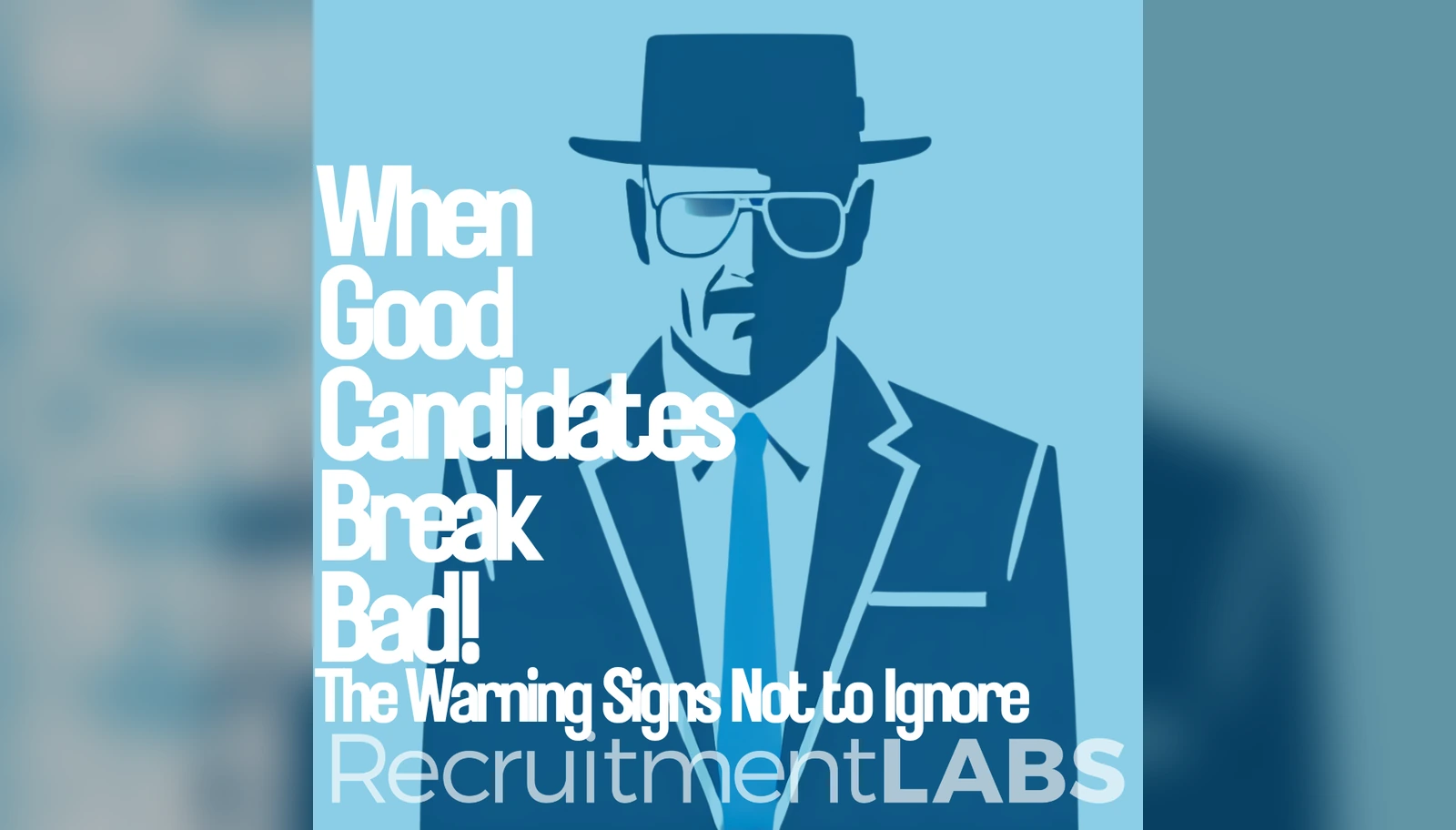
We have all been there. The CV is immaculate, the interview goes brilliantly, the references seemingly check out. You extend the offer, celebrate securing a great candidate, and then things start to go wrong.
Sometimes it is small at first: missed deadlines, vague excuses, a surprising lack of enthusiasm. Sometimes it is more obvious, a complete personality shift once the contract is signed. The hard part is telling the difference between normal adjustment and an incoming problem. Here are the warning signs worth watching for, before and after someone joins.
Before you hire: the interview red flags
The over-rehearsed answer. A confident, well-prepared candidate is great. One who sounds like they have memorised every “top interview questions” list is a different thing. If an answer feels too polished and generic, throw in an unexpected follow-up: what was the other person’s perspective, how did your manager react? Genuine candidates will engage. Scripted ones tend to flounder.
The permanent victim. If every previous role ended in a toxic boss, a backstabbing team or company-wide incompetence, and the candidate takes zero responsibility for any of it, that pattern is worth noting. Ask what they could have done differently. A strong candidate shows self-awareness. A weaker one doubles down on blame.
The culture eye-roll. Skills and experience can be exactly right while something is clearly off. Watch for a forced smile at your culture description, or an offhand “I just get my work done” when collaboration comes up. You can train for skills. You cannot force someone into a culture they have already signalled they do not want.
After the offer: the disengagement signals
Ghosting through onboarding. Slow responses, sudden delays to paperwork, a request to push back the start date. If someone is disengaged before day one, it is worth asking what that looks like six months in.
Invented experience. There is a meaningful difference between imposter syndrome and outright fabrication. A simple practical test for critical skills, walking through a real scenario rather than a hypothetical, will surface this faster than any reference check.
Early friction. Pushback on core responsibilities, resistance to feedback, comments that start with “that’s not how we did it at my last job.” A slow ramp-up is normal. A complete disconnect from expectations in the first few weeks is not.
What actually reduces the risk
Ask better questions that dig into how someone thinks, not just what they say. Check references properly, asking specifically about culture fit, contribution to team morale, development areas, and how they responded to feedback in practice. And when something feels off, do not ignore it. If a candidate is already a headache before they have started, it rarely gets better once they do.
Bad hires cost time, money and momentum. Most of the warning signs are visible earlier than businesses give themselves credit for, if the process is built to actually look for them.
About Recruitment Labs
Recruitment Labs is a boutique search firm specialising exclusively in accounting & finance recruitment across Australia and New Zealand. For twenty years we've helped businesses build high-performing finance teams, and helped finance professionals find roles that fit their skills, goals and values.
Keep Reading
More from The Hiring Horizon.
Brief Me Like I’m the Candidate: How to Really Assess a Recruiter
The best test of a recruitment partner isn’t their process or their fee. It’s whether they can brief you on the role as if you were the candidate.
Read Article
You’re Not Overqualified. You’re Mispositioned.
“Overqualified” is rarely honest feedback. Why senior finance candidates get filtered out for it, and the reframe that actually gets you the role.
Read Article
Six things Boards actually evaluate when hiring a CFO
Six things boards actually evaluate when hiring a CFO, and what finance leaders should prepare for beyond the technical brief.
Read Article